If your window tint is too dark, it can create serious legal, safety, and functional problems for your vehicle. An extremely dark tint can make it difficult to see at night, potentially violate state regulations, and even interfere with the operation of your car’s systems. Understanding the risks and taking proactive steps to correct over-tinted windows is essential for any driver who wants to maintain safety and compliance on the road.
Legal Implications of Dark Window Tint
One of the most immediate consequences of excessively dark window tint is legal trouble. State and local regulations typically govern how much light can pass through your vehicle windows, measured as Visible Light Transmission (VLT). A lower VLT percentage means less light passes through the window, which can easily exceed legal limits if the tint is too dark.
Comparison Table – Tint Darkness vs. Legal Consequences
| Tint Percentage (VLT) | Legal Status | Potential Penalties |
| 0–20% | Often illegal | Fines, mandatory removal |
| 21–35% | Legal in some areas | Possible warnings or fines |
| 36–50% | Generally legal | Typically no issues |
| 51–70% | Legal in most areas | Usually compliant |
Laws often place stricter limits on front-side windows than on rear-side or back windows. Some regions allow medical exemptions, but these require proper documentation. Even if the tint falls within the legal range, extremely dark windows may draw attention from law enforcement, especially at night or during routine traffic stops. During a recent inspection for a fleet, authorities noted several vehicles with tints darker than allowed, which required removal to pass the audit. This highlights the importance of compliance before law enforcement or inspection issues arise.
Safety Hazards
Excessive darkness in window tinting can create significant safety risks. Visibility is the most obvious concern, but an extremely dark tint can also compromise driving safety in multiple ways. Reduced visibility affects not only the driver but also other road users, making night driving and adverse weather conditions more dangerous.
Numbered List – Safety Risks of Overly Dark Tint
- Reduced Night Visibility – Dark window films make it harder to see road signs, pedestrians, cyclists, and obstacles.
- Increased Accident Risk – Limited sight lines increase the likelihood of collisions, particularly in urban areas with heavy traffic.
- Emergency Access Difficulty – First responders may struggle to assess the situation in a vehicle during accidents if the windows are too dark.
- Glare and Reflection – Extremely dark tint can reflect light from oncoming vehicles, streetlights, and traffic signals, reducing overall clarity.
Comparison Table – Visibility vs. Tint Level
| Tint Level (VLT) | Daytime Visibility | Nighttime Visibility |
| 0–20% | Moderate | Poor |
| 21–35% | Good | Moderate |
| 36–50% | Excellent | Good |
| 51–70% | Excellent | Excellent |
Properly applied tint should strike a balance between light reduction and visibility. During inspections for window tinting in Dallas, TX, technicians noted that vehicles with mid-range tint levels maintained sufficient night visibility while still reducing glare from the sun. This illustrates that excessively dark films are rarely necessary for performance and can compromise safety.
Vehicle and Functional Issues
Dark tint can also cause issues beyond visibility and legality. Improperly installed or excessively dark films may interfere with a vehicle’s internal systems and overall functionality. Many modern vehicles rely on sensors and signals that pass through windows, and a very dark tint can create problems.
Numbered List – Other Problems Caused by Too Dark Tint
- Heat Retention – Dark films may trap heat if improperly applied, potentially increasing interior temperatures.
- Signal Interference – Metallic components in darker tints can block GPS, radio, and mobile signals, causing operational issues.
- Window Damage – Overly dark or poorly installed tint can bubble, peel, or crack over time, leading to costly repairs.
- Insurance Complications – Some insurance providers may deny or reduce claims if the window tint violates regulations or contributes to accidents.
For commercial fleets, technicians found that some vehicles experienced interference with onboard electronics when tints were too dark. This demonstrates that improper tinting not only affects aesthetics but can also compromise the reliability of critical systems. Professional Dallas, TX window tinting services ensure that films are compliant, functional, and safe, reducing these risks.
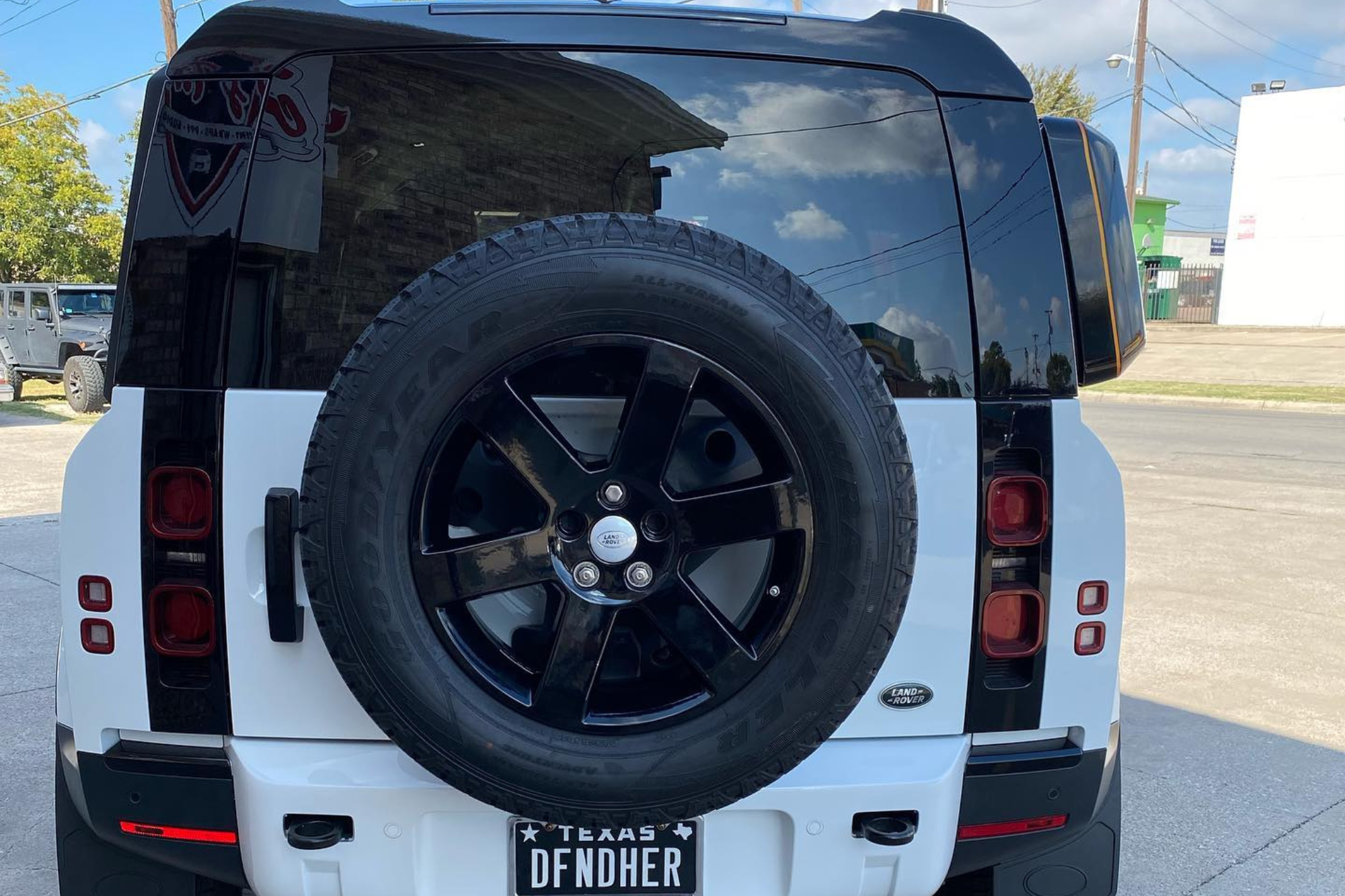
Misconceptions About Window Tint Darkness
A common misconception is that a darker tint always provides better protection. While extremely dark films may slightly reduce sunlight exposure, they offer minimal additional benefits beyond a certain darkness level. Modern films are engineered to block UV rays and reduce interior heat without being extremely dark. Excessively dark tint increases legal and safety risks without providing meaningful additional performance benefits.
For drivers seeking protection and comfort, using moderately dark films ensures safe visibility and maintains compliance. When choosing a tint, it’s more effective to consider film quality rather than the darkness level alone. Vehicles in Dallas, TX, benefit from high-quality films that block heat and UV rays efficiently, without over-darkening the windows.
Applying This to Solve the Problem
If your window tint is too dark, corrective steps should be taken promptly. Compliance and visibility are essential for safety, and addressing over-tinted windows early prevents fines, accidents, and long-term damage.
Steps to Correct Overly Dark Tint
- Check State Tint Laws – Determine the legal VLT limits for front, rear, and side windows.
- Measure Existing Tint – Use a professional tint meter or consult a certified technician.
- Remove or Replace Tint – Replace films that exceed legal darkness with compliant options.
- Verify Compliance – Confirm visibility and legal status before driving.
- Professional Installation – Ensures smooth, uniform films that avoid bubbling, peeling, or cracking.
Decision Flow – Should You Keep or Replace Tint?
| Situation | Action |
| Tint exceeds legal limit | Replace immediately |
| Tint meets legal limit but reduces night visibility | Consider a lighter film |
| Tint is legal, and visibility is good | No action needed |
Professional window tinting in Dallas providers can evaluate current films and recommend solutions. Whether the goal is compliance or improving nighttime visibility, professional services make the process safer and more effective.
In Summary
Window tinting can enhance comfort, reduce glare, and provide privacy, but when applied too darkly, it creates multiple risks. Overly dark tinting can lead to legal violations, impaired visibility, interference with vehicle systems, and safety hazards. Drivers should understand legal limits, measure existing tint levels, and consult professionals to correct non-compliant films. Taking these steps ensures safe driving, compliance with the law, and long-term protection of the vehicle interior.
By addressing overly dark tint promptly, drivers maintain both functionality and safety without sacrificing style or comfort at J’s Tint & Car Audio. Contact us today to schedule your appointment and keep your vehicle looking sharp and driving safely!
People Also Ask
Q: How can I tell if my tint is too dark?
A: Professional tint meters measure the VLT to determine if your film meets legal requirements.
Q: What happens if police stop me for dark window tint?
A: Fines, warnings, or mandated removal may apply depending on your location and tint level.
Q: Can an overly dark tint affect my car insurance?
A: Yes, insurance claims may be affected if the tint violates regulations or contributes to accidents.
Q: Are there safe alternatives to dark tint?
A: High-quality films block heat and UV rays without being extremely dark, preserving visibility and safety.
Q: Where can I get compliant window tinting in Dallas TX?
A: Professional services measure, remove, and install films that meet both safety and legal standards.